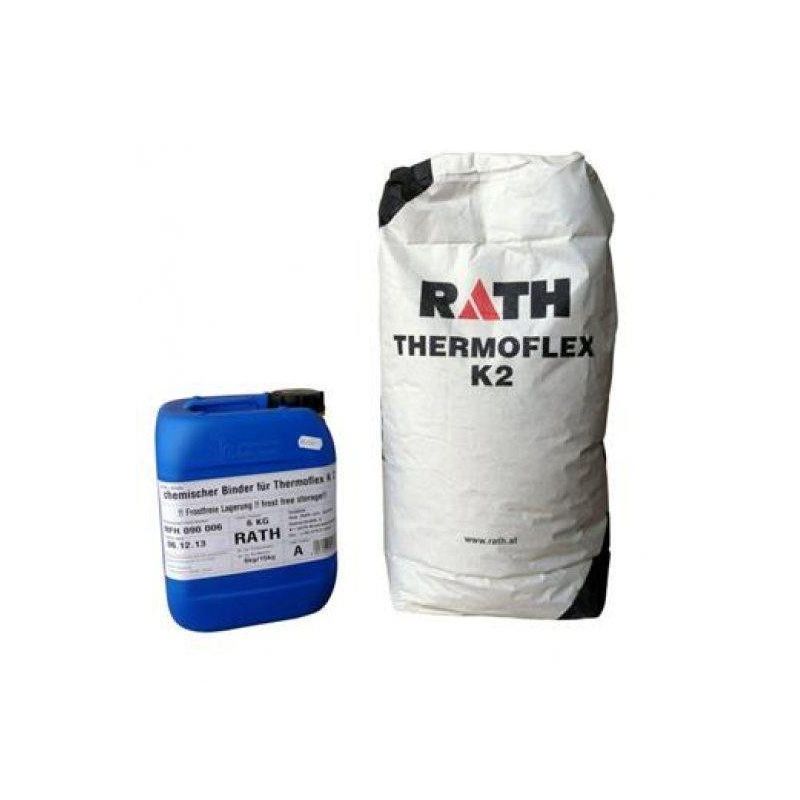
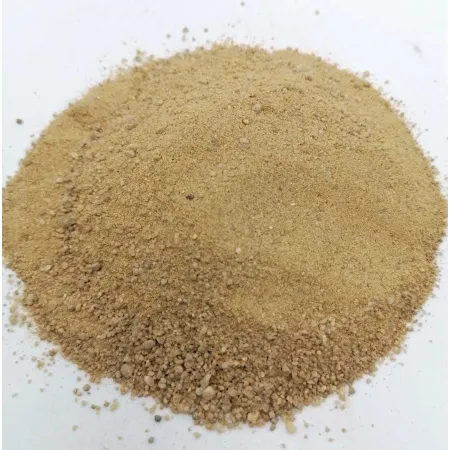
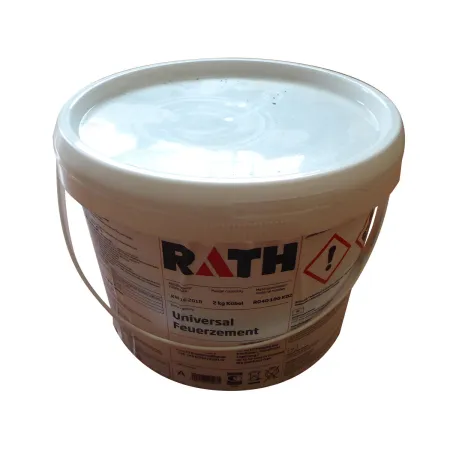
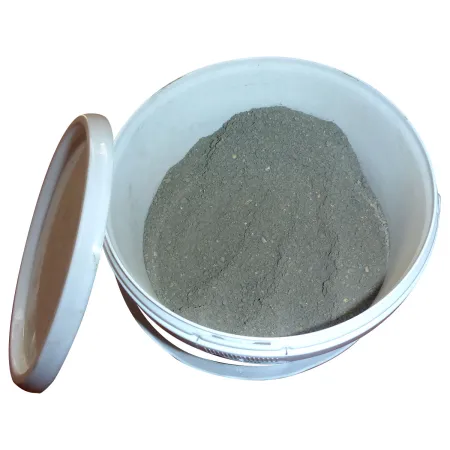
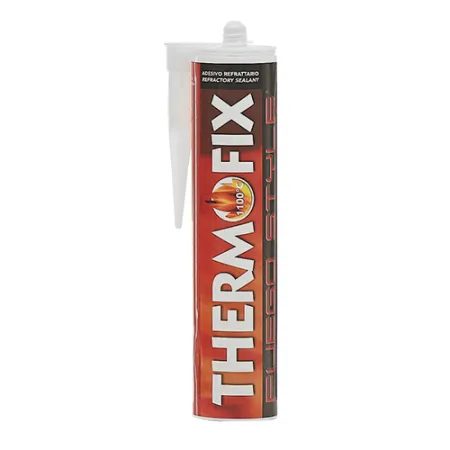
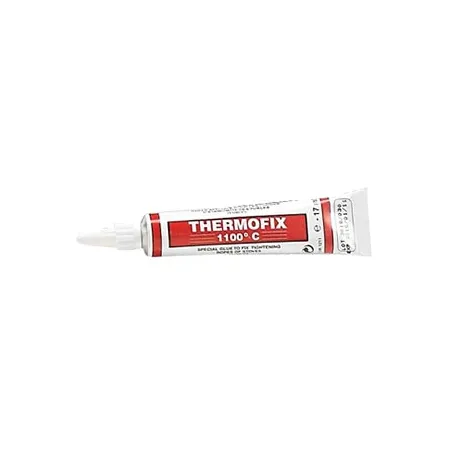
Refractory adhesive used mainly for bonding internal parts of stoves, ovens and refractory flues exposed to high temperatures. Consists of a 15 kg bag of powder and a 6 kg can of chemical binder, to be mixed as needed, following the proportions supplied.
👉 Chemically setting refractory adhesive mainly intended for bonding the internal linings of stoves (internal components) in air-gap constructions.
Thermoflex absorbs expansion, even at high temperatures up to 1000° C, and is therefore suitable for building stoves with excellent smoke-tightness. Its very fine particle size of 0-0.5 mm allows very thin joints. Thanks to its technical characteristics and chemical set, it is particularly recommended for the following applications:
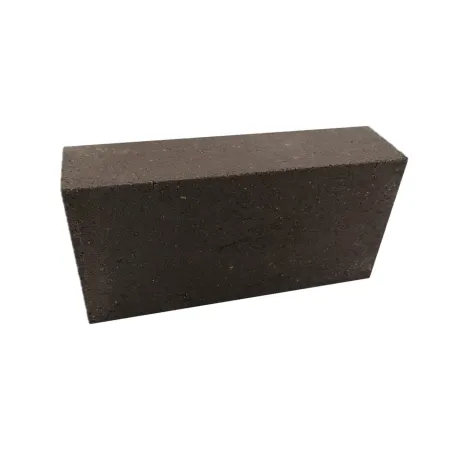
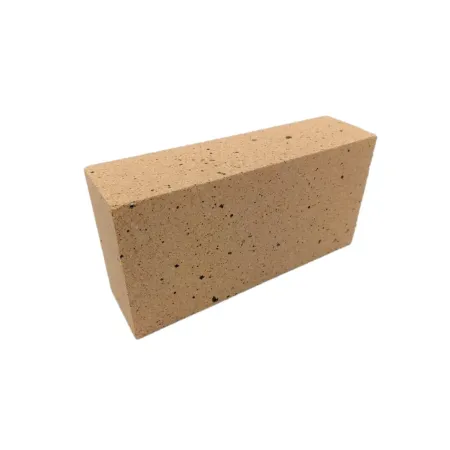
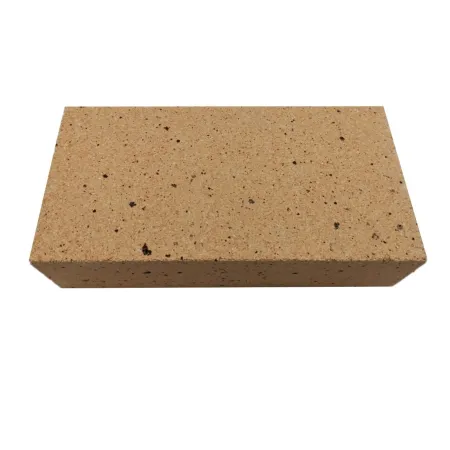
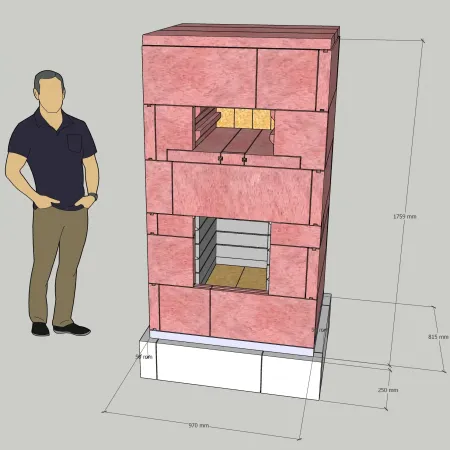
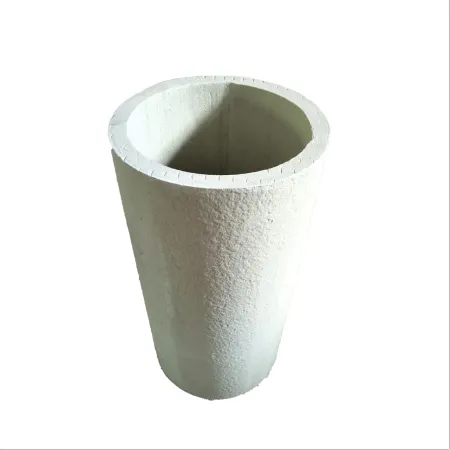
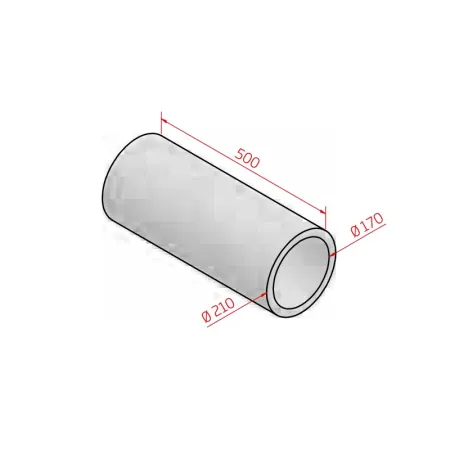
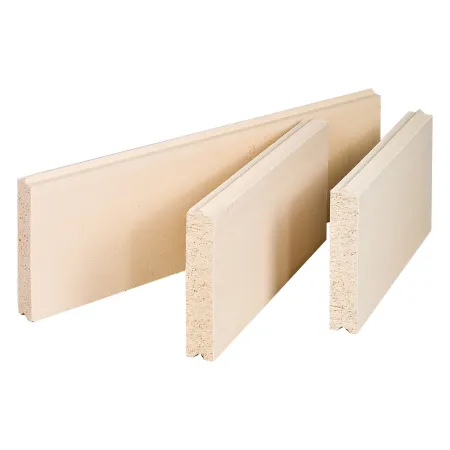
✅ Assembling and sealing internal flues (refractory flue blocks, ceramic liners). ✅ Bonding grog bricks or refractory slabs exposed to high temperatures. ✅ Fixing and sealing prefabricated parts inside fireboxes, inserts and masonry heaters
Application advice:
➡️ Substrate preparation: The surfaces to be bonded must be perfectly stable, dust-free and free of grease or soot residue. Very porous materials can be lightly dampened (depending on porosity) to prevent the adhesive drying out too quickly. ➡️ Mixing: Follow the proportions supplied in the kit (Bag + Can) exactly. Mix mechanically at low speed to obtain a smooth, lump-free paste. ➡️ Application: Apply in a thin layer with a spatula or a grouting bag, depending on the configuration of the flue or part. ➡️ Drying: As the set is chemical, allow to dry completely at room temperature before the first firing.
⚠️ Important for the first firing: As with any refractory mortar or adhesive, the first heating of the installation must be slow and gradual in order to drive off the residual moisture without causing thermal shock or cracking.