🔥 Natural convection stove – Small area
This is the basic system, which stores the heat produced and then transfers it to the air naturally. The advantage is that it is silent (no fan to spread the heat, as on more advanced models). Unfortunately the heat is not uniform, the heating time is long and overheating problems next to the stove due to radiation are frequent.
🔥 Fan-assisted stove – Medium area
The system is fitted with a fan whose role is to set the room's air flow in motion and thus allow better distribution of the heat in the air. However, this system is more or less noisy, particularly when starting up, when the fan runs at full power. You also need to remember to install an electrical socket near the stove to power the fan.
🔥 Ducted stove – Large area
This system can heat several rooms in a home. A second fan is added to the stove to blow heated air through ducts into rooms far from the stove. With these models, you can do without main heating for medium-sized, well-insulated areas. The disadvantage is the noise, which is greater than with a fan-assisted stove, and the work needed to install it is more extensive (drilling walls, concealing ducts, etc.).
🔥 Hydronic stove – Any area
The system is connected to the central heating network and lets you benefit from free heat produced when the stove is running. Behind the burner is a water reservoir that heats up at the same time as the air in the room. This hot water then exchanges its heat with the heating network, saving fuel for heating the home. The advantage is the dual function of heating the room by heating the air and also heating the rest of the home by feeding hot water to the radiator network. The system can also be used to preheat domestic water.
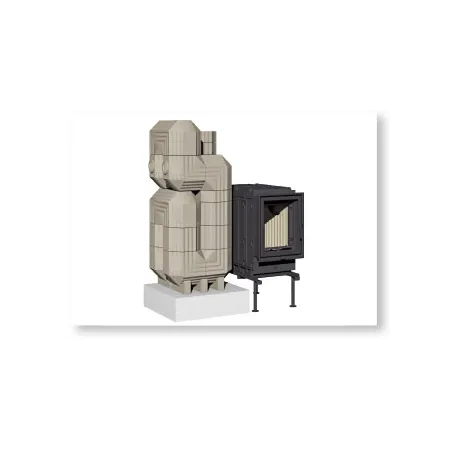
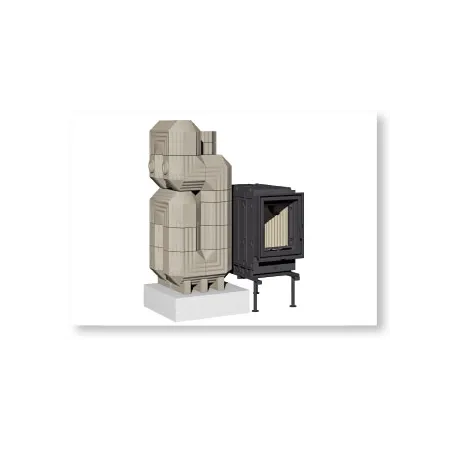
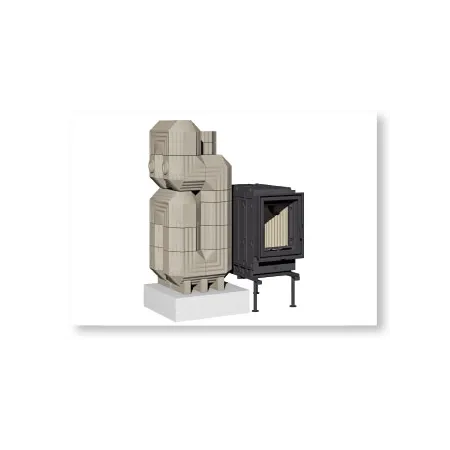
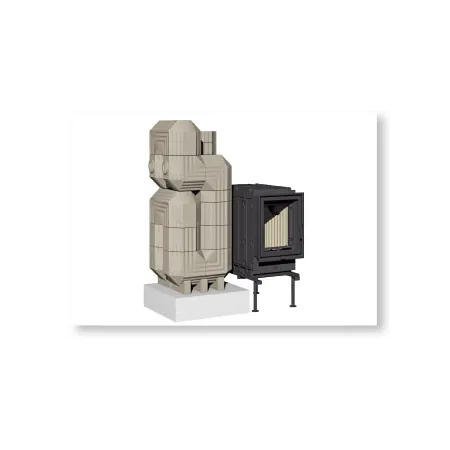
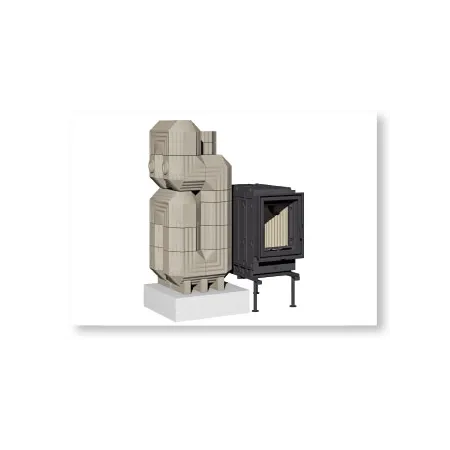
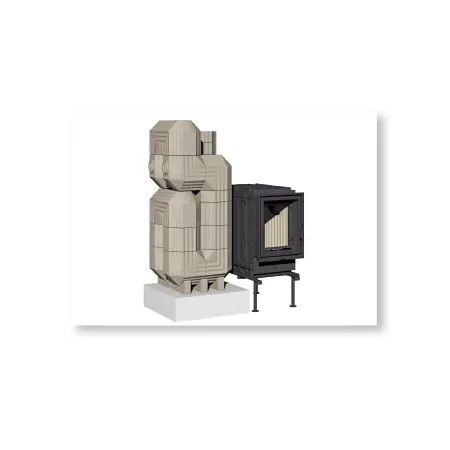
🔥 Masonry heater – Large area
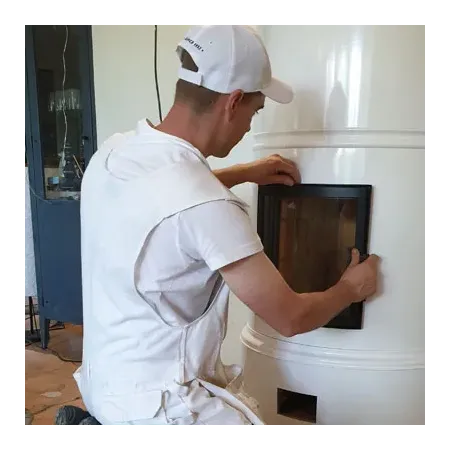
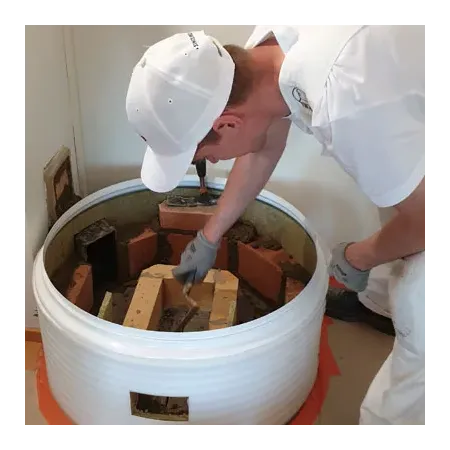
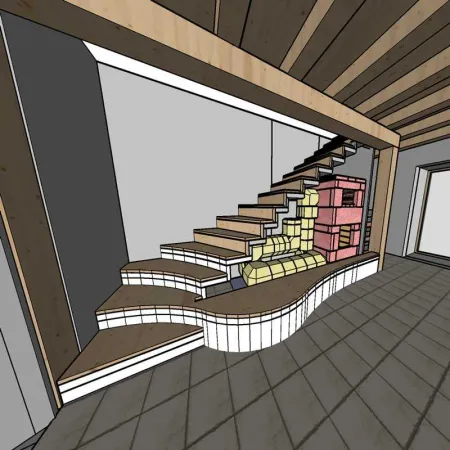
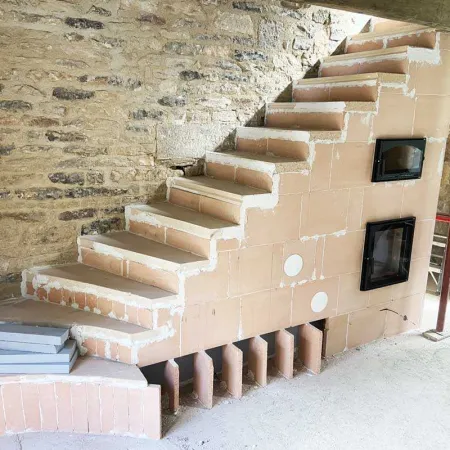
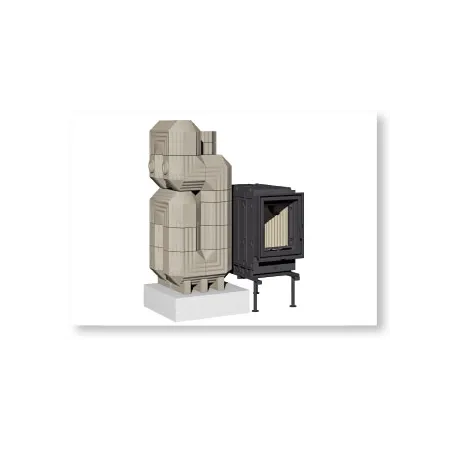
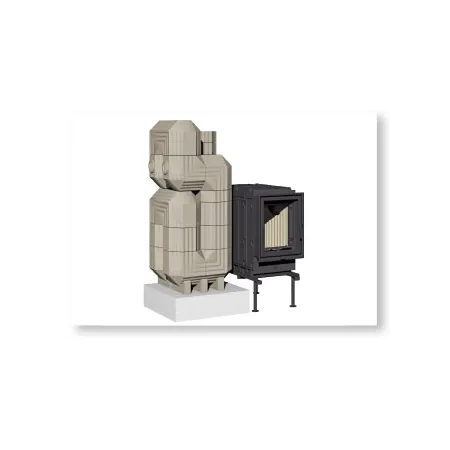
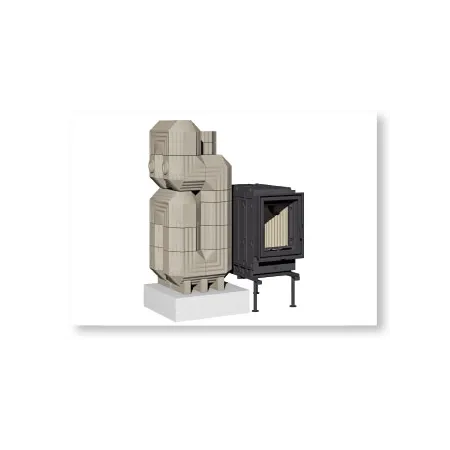
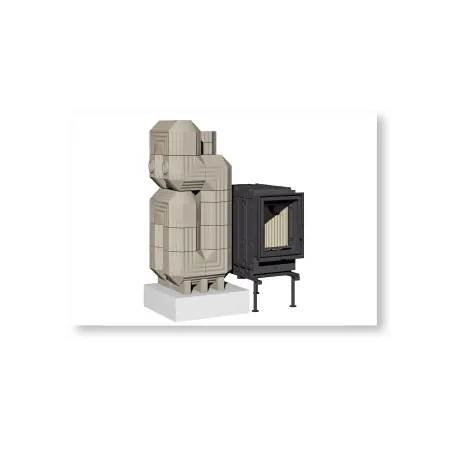
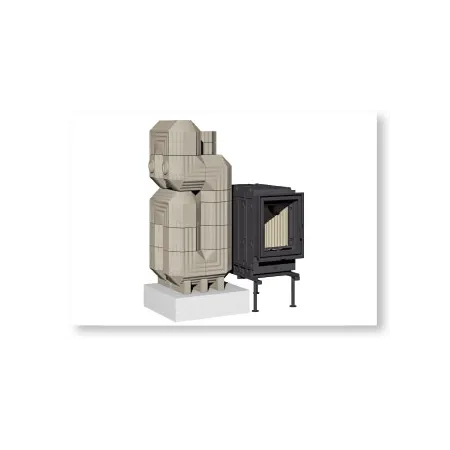
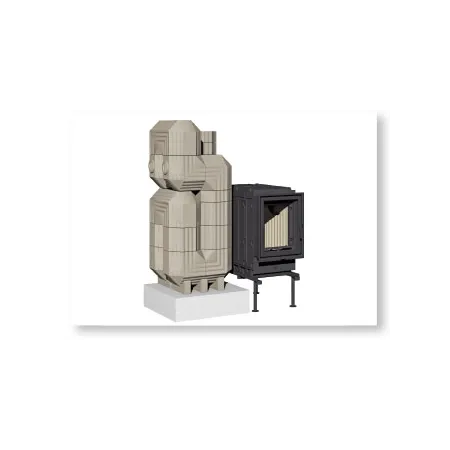
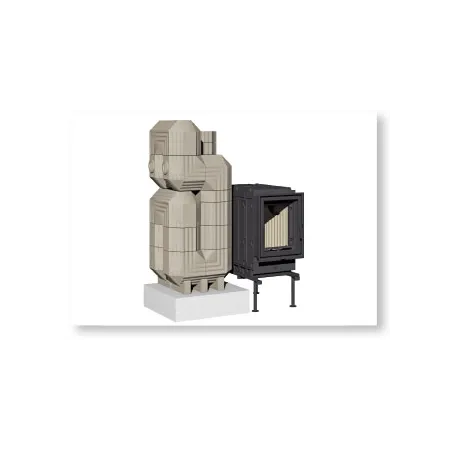
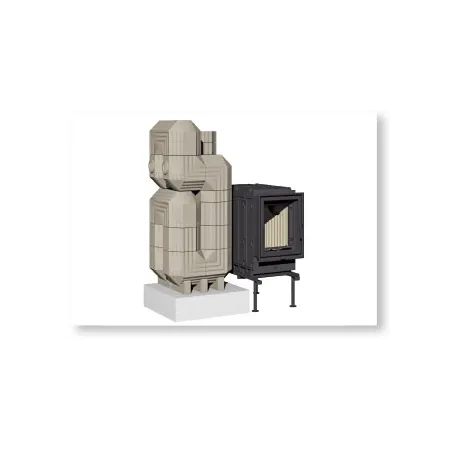
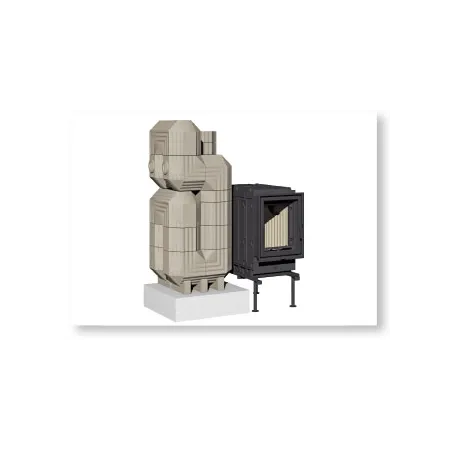
A "large" log stove (weighing between 500 kg and 2000 kg) that can store an enormous quantity of heat, which is then released into the home mainly in the form of radiation. The home is often built around the masonry heater, which cannot be moved, and if it is well placed in the middle of the home, it can heat the house on its own.
🔥 Log stove – Medium area
This is the most classic system, the one everyone knows. Its operation is very simple: you put logs inside, light them and off you go! The drawback of this system is its fuel, which cannot be controlled once lit and must burn completely. It therefore releases a large quantity of energy, which can sometimes cause discomfort for the occupants of the room where the stove is installed.