1. Understanding the importance of heat relief and combustion air supply
Before looking at hot air grilles and fresh air inlet grilles, it is essential to understand the importance of heat relief and combustion air supply in the operation of wood heating appliances. Heat relief maintains adequate air circulation, thus promoting efficient combustion of the wood. On the other hand, the combustion air supply provides the oxygen needed for combustion, thus ensuring maximum heat release.
2. The role of hot air grilles
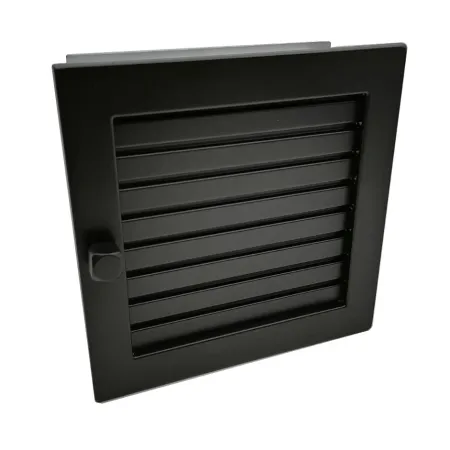
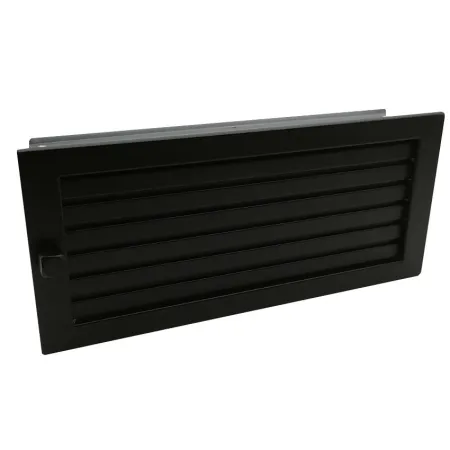
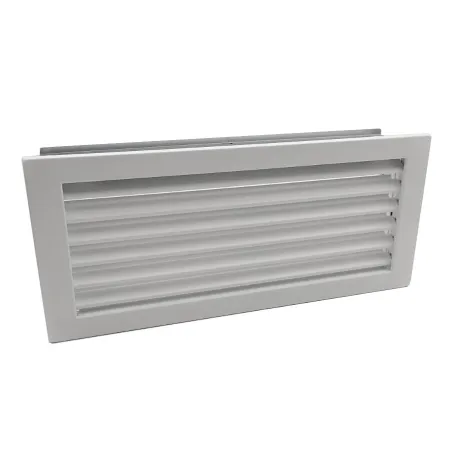
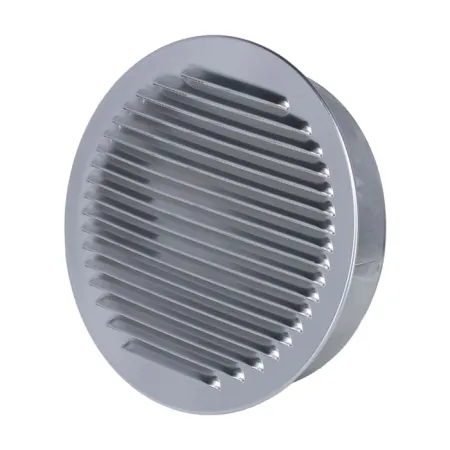
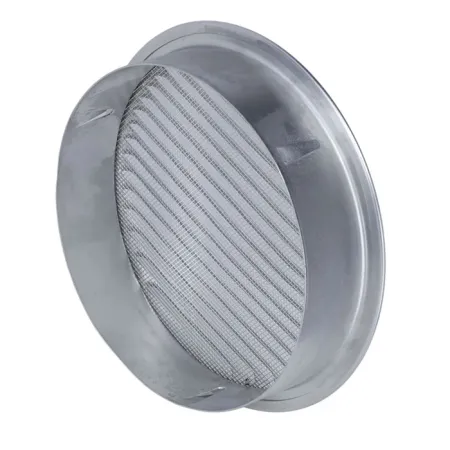
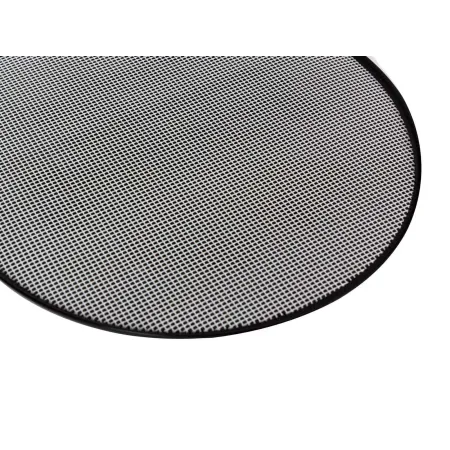
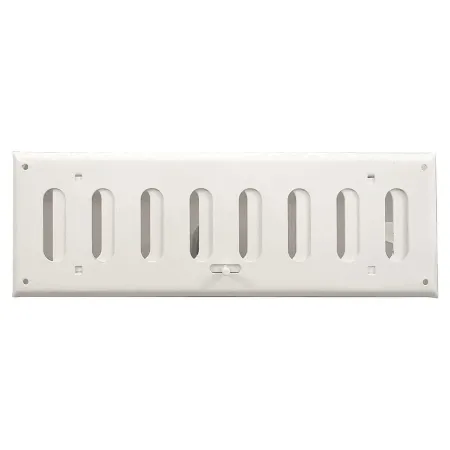
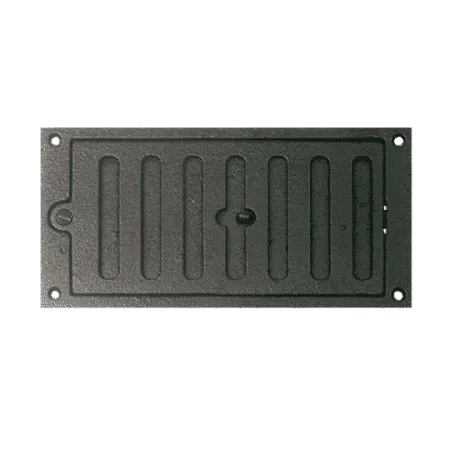
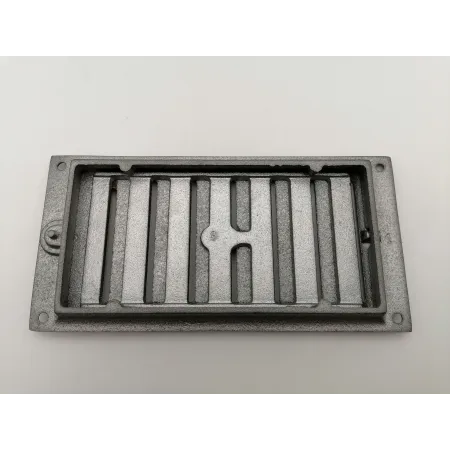
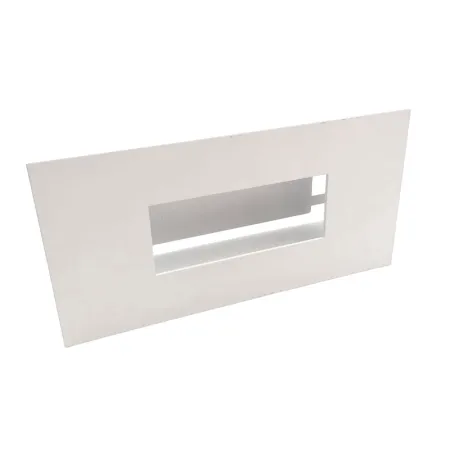
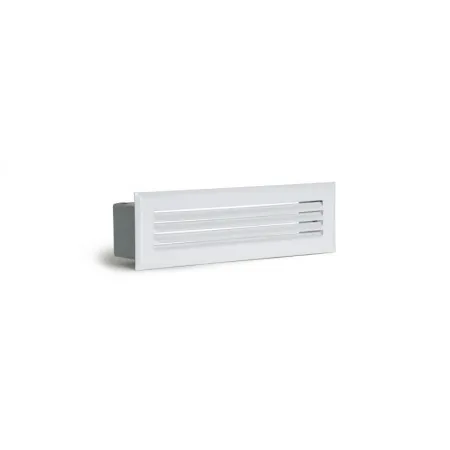
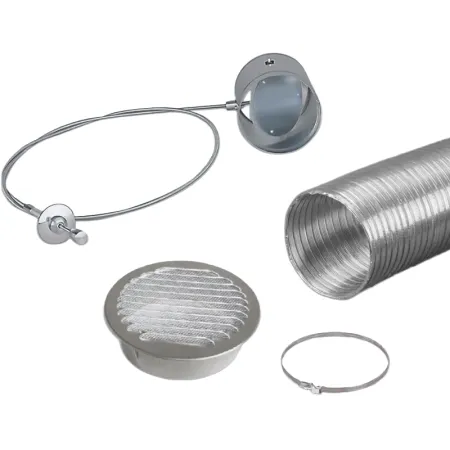
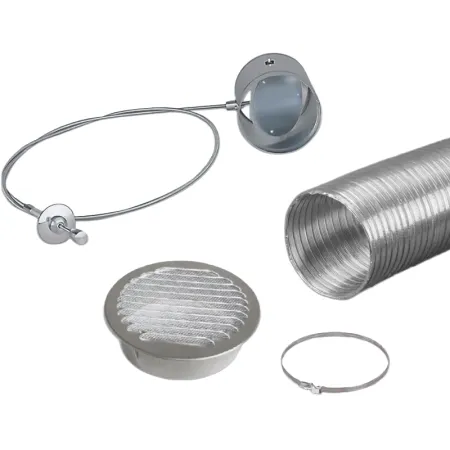
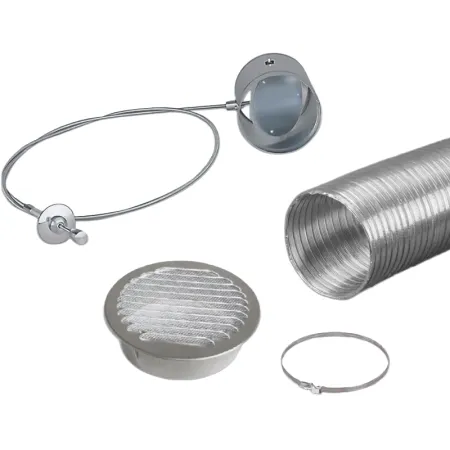
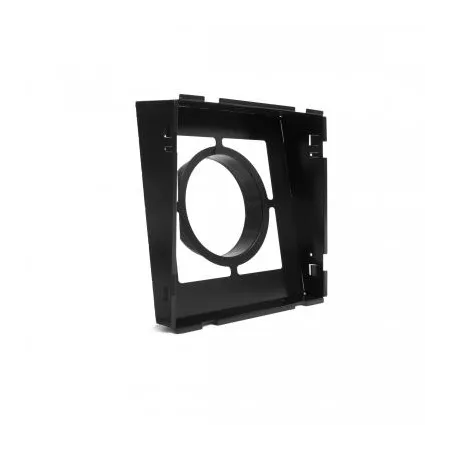
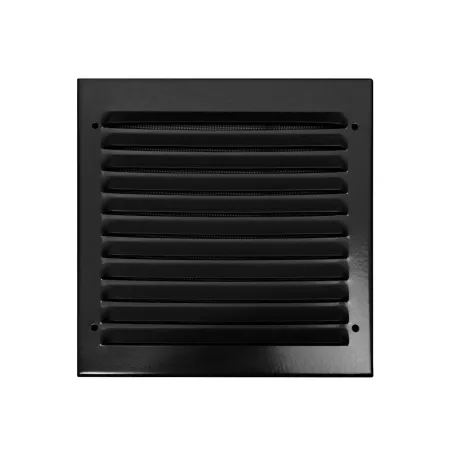
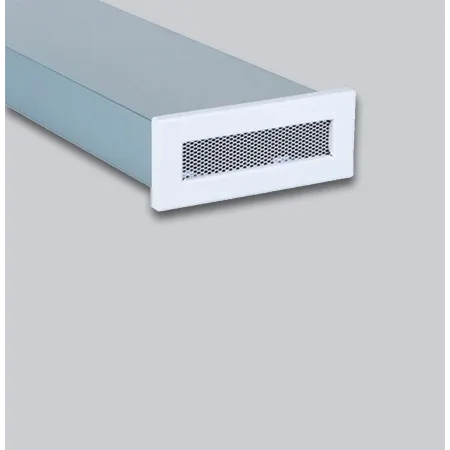
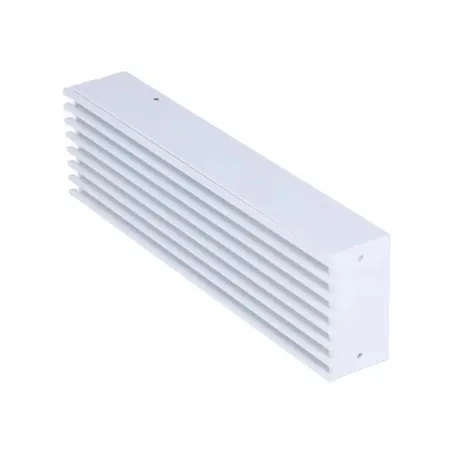
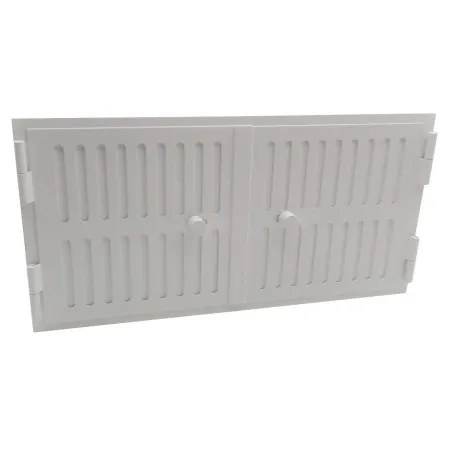
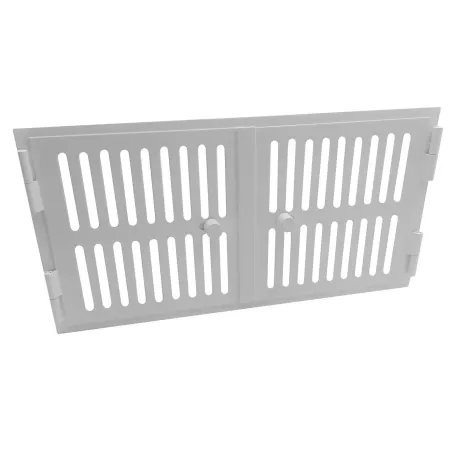
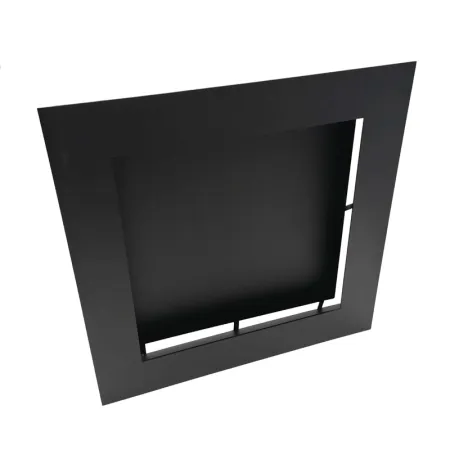
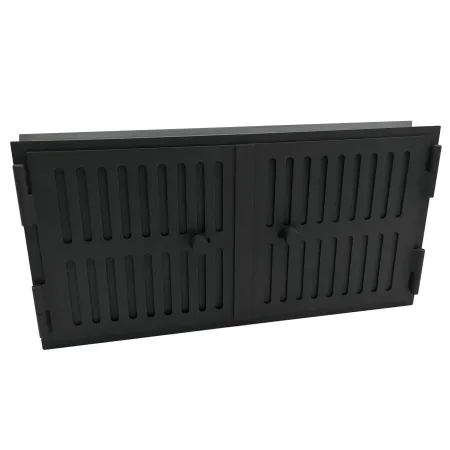
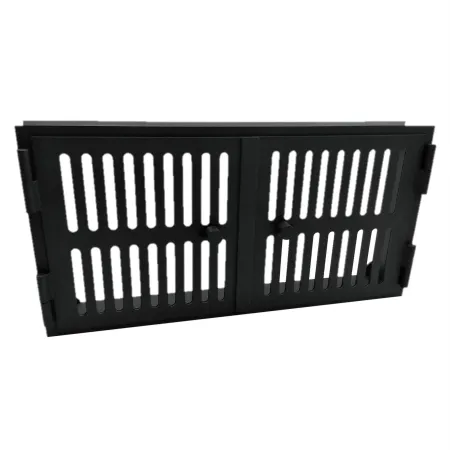
Hot air grilles are installed on wood heating appliances to let out the hot air produced during combustion. They are strategically placed on the wood stove, the masonry heater or the insert, thus channelling heat towards the room where the appliance is located. These grilles help spread heat evenly through the space, ensuring optimal thermal comfort for the occupants.
2.1 Positioning hot air grilles
The positioning of hot air grilles is crucial for even heat distribution. They are generally placed on the sides or at the back of the appliance, depending on the model and configuration. The number and size of the grilles can vary according to the output of the appliance and the size of the room to be heated.
2.2 Hot air grille materials
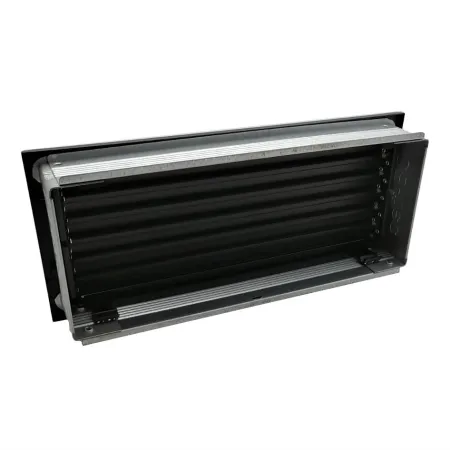
Hot air grilles are generally made from heat-resistant materials such as steel, cast iron or brass. These materials ensure the durability of the grilles, even when they are subjected to high temperatures for long periods.
3. The importance of fresh air inlets
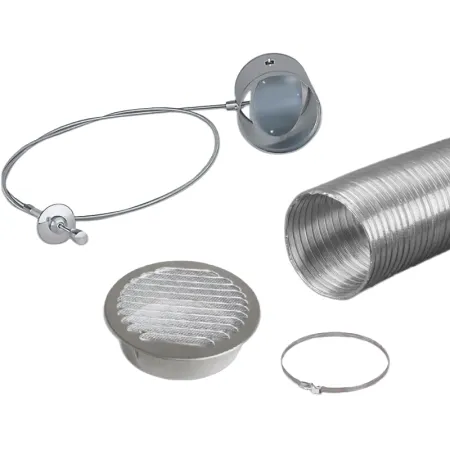
In addition to heat relief, the fresh air inlet plays an essential role in the combustion of wood. This air supply provides the oxygen needed for the chemical reaction of combustion, thus producing heat. An insufficient air inlet can lead to incomplete combustion, generating harmful residues and reducing the energy efficiency of the appliance.
3.1 Regulating the fresh air inlet
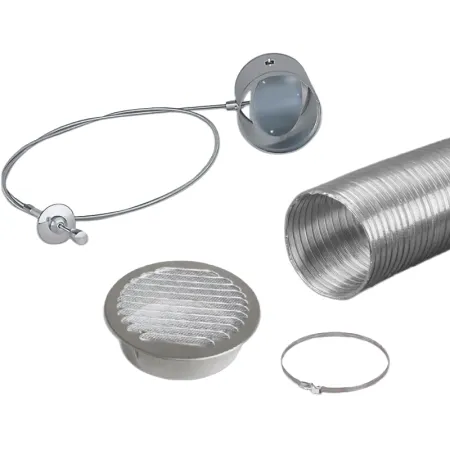
Regulating the fresh air inlet is essential to control the rate of combustion. Some appliances are fitted with regulation systems that adjust the air supply according to heating needs. This gives better control over heat output and reduces wood consumption.
4. Different types of hot air grilles and fresh air inlet grilles
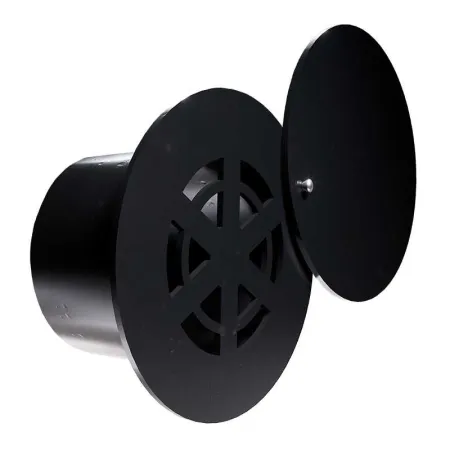
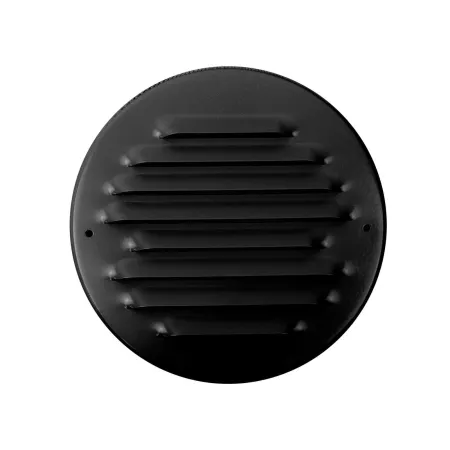
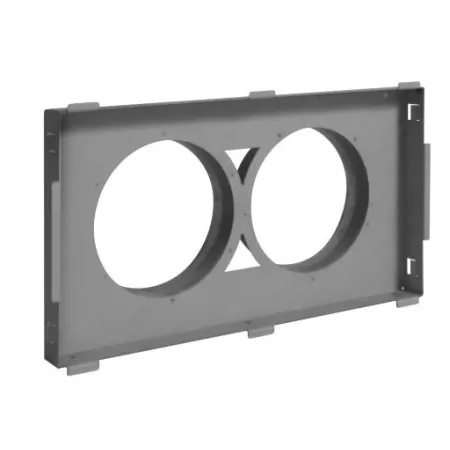
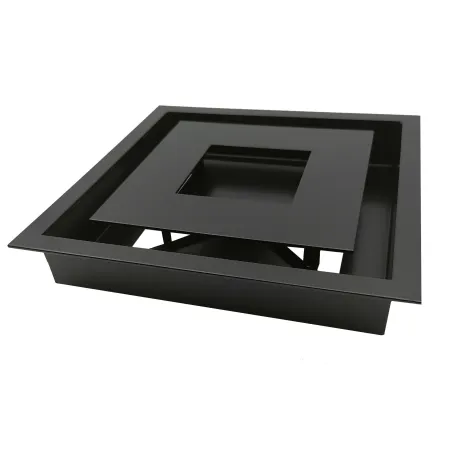
There are several types of hot air grilles and fresh air inlet grilles available on the market, each with its own specific advantages. Some models offer customisation options to match the interior design, while others are designed to maximise combustion efficiency.
4.1 Decorative hot air grilles
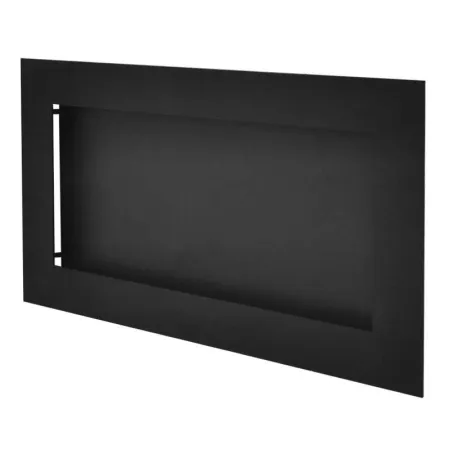
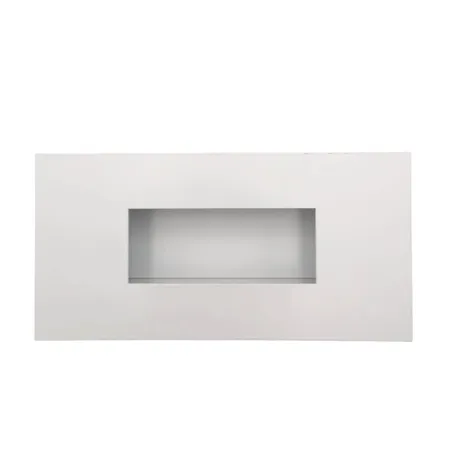
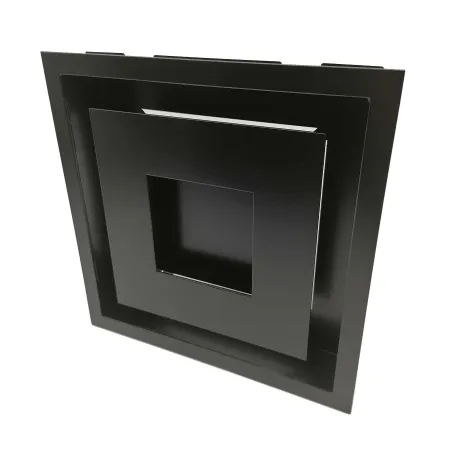
Decorative hot air grilles are designed not only for their functionality but also for their looks. They are available in a variety of patterns and finishes, adding a decorative touch to the heating appliance.
4.2 Automatically regulated hot air grilles
These grilles have an automatic regulation system that automatically adjusts the opening of the grilles according to the room temperature. This maintains a constant, comfortable temperature in the space.
4.3 Hot air grilles with heat recovery
Some hot air grilles are equipped with a heat recovery system that captures the heat from the exhaust air and reuses it to preheat the incoming fresh air. This improves the energy efficiency of the appliance, thus reducing heating costs.
Conclusion
Hot air grilles and fresh air inlet grilles are essential components for the proper operation of wood stoves, masonry heaters, fireplaces, inserts and other wood heating appliances. Their role in heat relief and combustion air supply ensures efficient combustion and even heat distribution in the space. By choosing the right grilles for your specific needs, you can improve the energy efficiency of your appliance and enjoy optimal thermal comfort.
FAQs
Q1: Do all wood heating appliances need air grilles?
Answer: Yes, most wood heating appliances need air grilles for proper ventilation and combustion. These grilles play a crucial role by providing an adequate quantity of oxygen to promote efficient combustion of the wood.
Q2: Can decorative hot air grilles be installed on my wood stove?
Answer: Yes, many wood stoves are designed to accommodate decorative hot air grilles. These grilles not only serve a functional purpose but also improve the visual appeal of the appliance.
Q3: How often should I clean the air grilles?
Answer: It is recommended to clean the air grilles regularly, at least once a month, to ensure unobstructed air flow and maintain the efficiency of the appliance.
Q4: Can an automatic air regulation system be installed on an existing wood stove?
Answer: Yes, some wood stoves can be fitted with an automatic air regulation system. However, it is essential to consult a professional to ensure proper installation.
Q5: Are air grilles compatible with other heating appliances such as masonry heaters and inserts?
Answer: Yes, air grilles are compatible with various heating appliances, including masonry heaters and inserts. They are designed to improve the efficiency and performance of these devices.