


Glazed tiles and Kachelofen: Luxury and Tradition
Kachelofen have existed for centuries and have a long history in Central and Eastern Europe.
In the Middle Ages, masonry heaters began to be used in castles and palaces to heat great halls and royal chambers. The heaters were often decorated with relief and sculpted motifs, creating functional works of art. In the 18th century, Kachelofen heaters became very popular in Central Europe and became a symbol of comfort and conviviality in the home.
In the 19th century, the Kachelofen appeared with the introduction of new materials such as iron and ceramic tiles. Glazed ceramic tiles are a key element in the design and construction of Kachelofen heaters. These tiles, also known as glazed faience tiles, are in fact ceramic slabs that have been coated with a coloured vitreous glaze and fired at high temperature.
What sets glazed ceramics apart is their ability to withstand high temperatures without cracking or discolouring. This makes them particularly suited to use in Kachelofen heaters, which must be able to withstand very high temperatures while maintaining their structural integrity and appearance.
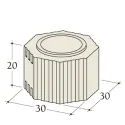
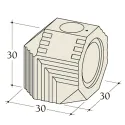
What's more, "kachel" tiles offer great flexibility in terms of design and colour, allowing owners to customise their Kachelofen heaters to match their interior décor or personal style. These ceramic tiles can be used to create complex patterns, images and drawings, creating functional and attractive works of art.
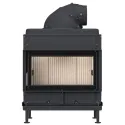
Today, a modern Kachelofen is designed to meet strict environmental and energy requirements, while offering contemporary, elegant designs that fit perfectly into any interior décor. Kachelofen heaters have also become more customisable, with options such as hotplates, built-in ovens and warm-air circulation systems to provide heat in several rooms.
The history and evolution of Kachelofen heaters has been marked by constant improvements to meet people's changing needs. Kachelofen heaters have evolved from a simple clay firebox into a functional work of art that provides comfortable, even heat while fitting perfectly into any interior décor.
Built with special ceramic tiles, but there are many variations in design...
Glazed tiles can be decorated with complex, colourful patterns to add a strong aesthetic touch to the Kachelofen. In addition, some manufacturers offer made-to-measure glazed tiles to meet their customers' specific needs.
In terms of styles and designs, there are many variations of Kachelofen heaters in Central Europe, each with unique characteristics. For example, the Tyrolean style is characterised by colourful glazed tiles and hunting and mountain landscape motifs. The Bavarian style is often simpler and more elegant, with off-white or light beige glazed tiles.
Modern Kachelofen can also incorporate contemporary design elements, such as clean lines and neutral colours. Finally, some companies offer made-to-measure Kachelofen, designed to fit perfectly into a customer's living space and meet their specific heating needs. Kachelofen are masonry heaters clad in glazed tiles, with varied designs and styles that have evolved over time. Glazed tiles, whether colourful and decorated or plain and elegant, are an important aesthetic feature of these heaters.
How Kachelofen work:
Kachelofen work like other heat-storage heaters: the heat produced by combustion is distributed by convection and thermal radiation into the ceramic tiles located above or beside the combustion chamber.
Glazed ceramic tiles have a high capacity to store heat, which allows them to keep giving off heat even after the fire has gone out. Their smooth, shiny surface, combined with their heat storage capacity, gives even, pleasant heat distribution.
Kachelofen: The specific advantages of using glazed ceramic tiles.
-
Aesthetics: Glazed ceramic tiles are available in a variety of colours and patterns, giving great freedom of design. They can be decorated with complex, colourful patterns, making them an important aesthetic element of the Kachelofen. Glazed ceramic tiles can also be customised to meet the customer's aesthetic preferences.
-
Durability: Glazed ceramic tiles are extremely durable and withstand high heat. They do not warp or craze when exposed to high temperatures, unlike bricks, which can discolour or crack over time. Glazed ceramic tiles are also wear-resistant and can last for decades without needing repair or replacement.
-
Thermal conductivity: Glazed ceramic tiles have high thermal conductivity, meaning they can quickly absorb and give off heat. This helps the heat spread evenly through the room, creating gentle, comfortable warmth. Indeed, the relief, smooth, shiny surface of glazed tiles allows them to release heat once the fire has gone out.
-
Easy maintenance: Glazed ceramic tiles are very easy to look after. They only need regular cleaning with a soft cloth to remove dust and dirt. For stubborn stains, a mild cleaner can be used. Unlike bricks, glazed ceramic tiles do not need regular repointing or repair, especially if they are laid "without joints".
In short, glazed ceramic tiles are the distinctive feature of the Kachelofen.
They offer great design flexibility, high durability, high thermal conductivity
and easy maintenance, making them an ideal choice for those looking for a heat-storage heater
that is also a decorative feature of their home.
Share this content